

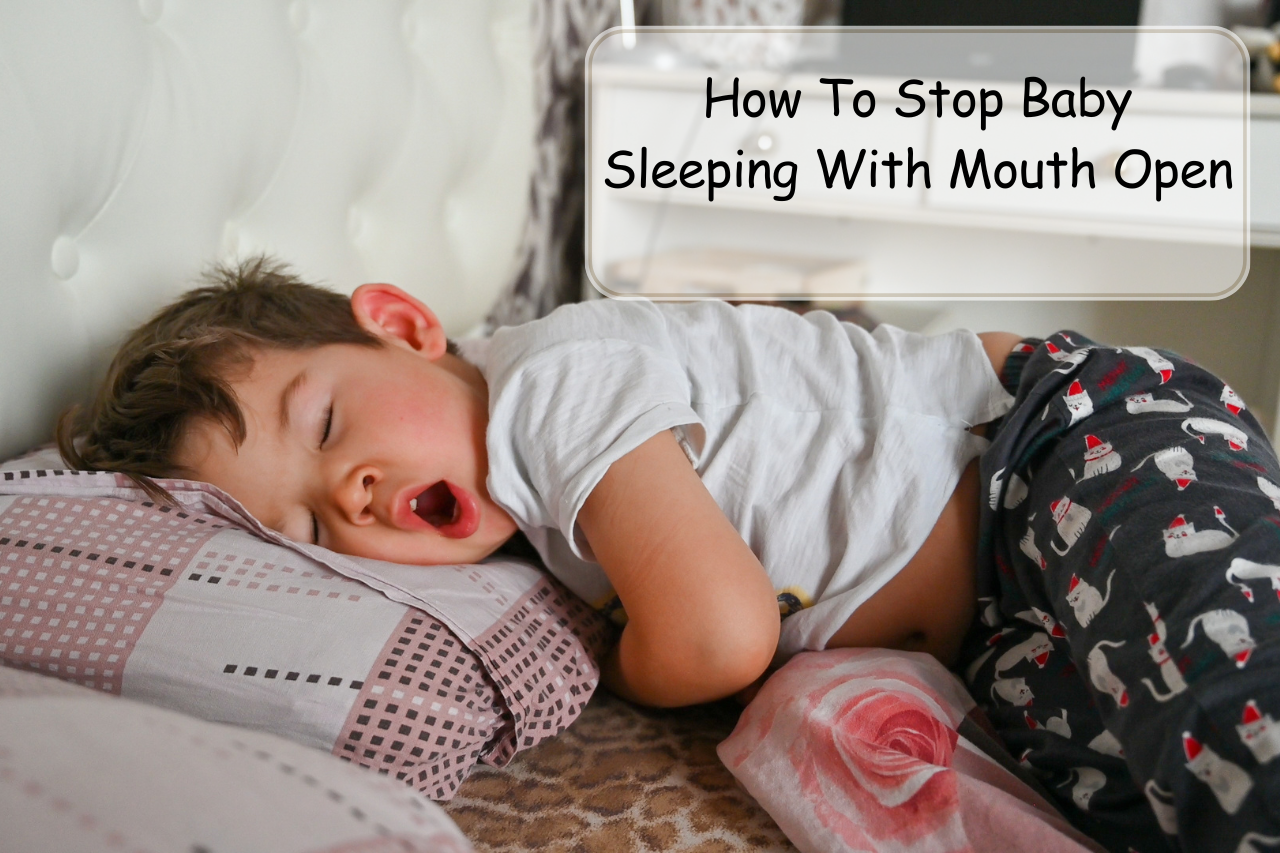
Why Is It Important to Stop Your Baby from Sleeping with Their Mouth Open?
Mouth breathing can lead to health problems
Babies are adorable, and as parents, we always want to ensure their well-being. One common concern among parents is when they notice their baby sleeping with their mouth open. While it may seem harmless, mouth breathing in babies can actually lead to various health issues. Here are some key points to consider:
- Dry Mouth and Throat: Mouth breathing can dry out the mouth and throat, making babies susceptible to cavities, gum disease, and bad breath.
- Sleep Disruptions: Mouth breathing can disrupt your baby’s sleep, leading to fatigue and difficulty concentrating during the day.
- Respiratory Infections: Babies who breathe through their mouths are at a higher risk of respiratory infections, including asthma and bronchitis.

Mouth breathing can affect speech development
Apart from the physical health implications, mouth breathing can also impact your baby’s speech development. This could become a cause for concern as they grow older and start to communicate more. Consider the following:
- Pronunciation Difficulties: Mouth breathing may make it harder for babies to pronounce certain sounds, like “s” and “z,” affecting their speech clarity.
- Speech Problems: Persistent mouth breathing can lead to speech problems, such as stuttering and lisping.
Mouth breathing can affect facial development
Facial development is crucial during a baby’s early stages of growth. However, mouth breathing can disrupt this process, leading to potential issues with your baby’s jaw and teeth. Here’s what you should know:
- Facial Changes: Mouth breathing can cause the face to grow longer and narrower, which may lead to developmental problems in the jaw and teeth.
What Causes Babies to Sleep with Their Mouths Open?
Now that we understand the importance of addressing mouth breathing in babies, let’s explore the underlying causes:
Nasal congestion
- A common cause of mouth breathing in babies is nasal congestion.
- A stuffy nose can make it difficult for babies to breathe through their nose, leading them to resort to mouth breathing, especially during sleep.
Allergies
- Allergies can trigger inflammation in the nasal passages, obstructing normal nasal breathing and causing babies to breathe through their mouth during sleep.
Enlarged tonsils or adenoids
- Enlarged tonsils or adenoids can block the airway, making it difficult for babies to breathe through their nose, forcing them to breathe through their mouth while sleeping.
Sleep apnea
- Sleep apnea, although less common in babies, is a condition where breathing becomes shallow or stops momentarily during sleep. Babies may adopt mouth breathing to compensate for oxygen deficiencies.
How to Stop Your Baby from Sleeping with Their Mouth Open
To ensure your baby breathes properly through their nose, consider implementing these practical tips:
Keep their nose clear
- Use saline nasal spray or drops to help clear your baby’s nasal passages gently.
- Utilize a bulb syringe to suction out any mucus that may be causing congestion.
- Running a humidifier in your baby’s room can add moisture to the air and reduce nasal dryness.
Treat allergies
- Consult an allergist to diagnose and treat any allergies your baby may have.
- Allergy management may involve avoiding allergens, using medications, or opting for allergy shots.
Consider surgery
- If enlarged tonsils or adenoids are causing mouth breathing, consult your doctor about the possibility of surgical intervention to improve your baby’s breathing.
Use a mouth guard
- A mouth guard designed for babies can help keep their mouth closed during sleep, promoting proper nasal breathing and better sleep quality.
When Should I See a Doctor About My Baby’s Mouth Breathing?
If you notice your baby consistently sleeping with their mouth open and have concerns about their health, don’t hesitate to seek medical advice. A visit to the doctor can rule out any underlying medical conditions causing the mouth breathing and provide appropriate guidance and treatment options.
Continue reading the second part of this article to discover essential tips and techniques to gently train your baby to breathe through their nose during sleep.
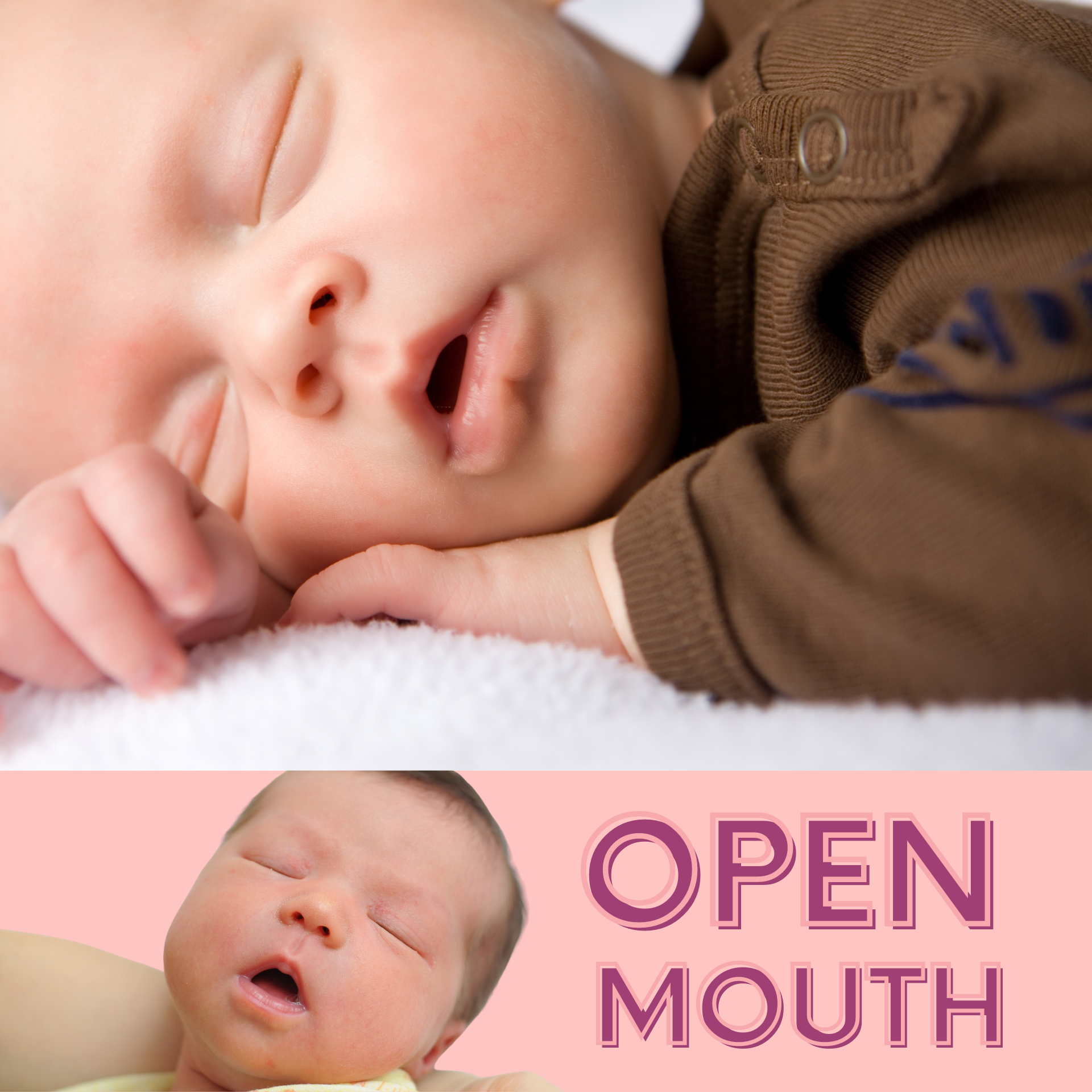
What Causes Babies to Sleep with Their Mouths Open?
Nasal Congestion: A Common Culprit
One of the primary reasons babies sleep with their mouths open is nasal congestion. Babies are susceptible to colds and other respiratory infections, which can lead to a stuffy nose. When their nasal passages are blocked, they find it difficult to breathe through their nose, and as a result, they resort to mouth breathing, especially during sleep.
Symptoms of Nasal Congestion in Babies:
- Snoring or noisy breathing during sleep
- Frequent rubbing of the nose
- Difficulty nursing or feeding
Allergies and Their Impact
Allergies can also play a significant role in causing babies to breathe through their mouths. Allergens like pollen, dust mites, pet dander, and mold can trigger inflammation in the nasal passages, making it difficult for babies to breathe through their nose comfortably.
How Allergies Affect Babies:
- Persistent sneezing
- Runny or stuffy nose
- Watery and itchy eyes
Enlarged Tonsils or Adenoids
Enlarged tonsils or adenoids can be another cause of mouth breathing in babies. These lymphoid tissues, located at the back of the throat and nasal cavity, can become enlarged due to infections or other factors. When they obstruct the airway, babies may instinctively breathe through their mouths to compensate for the restricted nasal airflow.
Signs of Enlarged Tonsils or Adenoids:
- Difficulty breathing through the nose
- Frequent snoring
- Mouth breathing during both day and night
Sleep Apnea in Babies
While less common, babies can also experience sleep apnea, a condition where breathing temporarily stops or becomes shallow during sleep. In response to these breathing disruptions, babies may adopt mouth breathing to enhance their oxygen intake.
Indications of Sleep Apnea in Babies:
- Pauses in breathing during sleep
- Gasping or choking sounds during sleep
- Restless sleep patterns
Identifying the Cause
As parents, it’s essential to observe your baby’s breathing patterns and look out for any signs of nasal congestion, allergies, enlarged tonsils, or adenoids, or sleep apnea. Consulting a pediatrician is crucial for a proper diagnosis and to determine the exact cause of your baby’s mouth breathing.
Addressing the Underlying Causes
When your baby is sleeping with their mouth open, it’s crucial to address the underlying causes to promote proper nasal breathing and overall well-being. Depending on the cause, here are some approaches to consider:
- Nasal Congestion: Use saline nasal spray or drops to help clear your baby’s nasal passages gently. A bulb syringe can be used to suction out any excess mucus. Running a humidifier in your baby’s room can also add moisture to the air and reduce nasal dryness.
- Allergies: Consult an allergist to identify specific allergens causing your baby’s allergies. The allergist may recommend avoiding allergens, using medications, or allergy shots to manage the condition.
- Enlarged Tonsils or Adenoids: If your doctor confirms enlarged tonsils or adenoids as the cause of mouth breathing, surgical removal may be suggested to improve your baby’s breathing.
- Sleep Apnea: If sleep apnea is the concern, your doctor may recommend treatment options to address the underlying sleep disorder.
Up Next: Tips for Stopping Your Baby from Sleeping with Their Mouth Open
Now that we’ve explored the causes of mouth breathing in babies, the next section will delve into practical tips and techniques to help you stop your baby from sleeping with their mouth open. Let’s ensure your little one enjoys restful sleep with unobstructed nasal breathing.
How to Stop Your Baby from Sleeping with Their Mouth Open
Keep Their Nose Clear for Unobstructed Breathing
Ensuring your baby’s nasal passages are clear is crucial in preventing mouth breathing during sleep. Here are some effective tips to help you achieve this:
- Saline Nasal Spray or Drops: Using a saline nasal spray or drops can help keep your baby’s nasal passages moist and clear of mucus. This simple solution is safe and can be used regularly to alleviate nasal congestion.
- Bulb Syringe: A bulb syringe can be a handy tool for gently suctioning out any excess mucus from your baby’s nose. This can provide immediate relief and improve their ability to breathe through their nose.
- Humidifier in the Room: Running a humidifier in your baby’s room can add moisture to the air, which can help ease nasal congestion and reduce the likelihood of mouth breathing during sleep.
Treat Allergies to Promote Nasal Breathing
If allergies are contributing to your baby’s mouth breathing, seeking appropriate treatment can make a significant difference. Here’s what you can do:
- Consult an Allergist: Schedule an appointment with an allergist to determine specific allergens affecting your baby. Identifying the allergens will help tailor an effective treatment plan.
- Avoid Allergens: If possible, limit your baby’s exposure to known allergens. For example, keeping pets out of the baby’s sleeping area or using allergy-proof bedding can be beneficial.
- Medication and Allergy Shots: Depending on the severity of your baby’s allergies, the allergist may recommend antihistamines or allergy shots to manage symptoms and promote better nasal breathing.
Considering Surgery for Enlarged Tonsils or Adenoids
When enlarged tonsils or adenoids are causing your baby’s mouth breathing, surgical intervention might be necessary. Here’s what to consider:
- Consult Your Doctor: If your baby’s tonsils or adenoids appear to be enlarged, consult your doctor for a thorough examination and evaluation.
- Surgical Removal: If deemed necessary, your doctor may recommend surgery to remove enlarged tonsils or adenoids. This procedure can help open up the airway and improve nasal breathing.
Utilize a Mouth Guard to Keep the Mouth Closed
Using a mouth guard can be an effective approach to promote nose breathing and prevent mouth breathing during sleep. Here’s how it can help:
- Mouth Guard Benefits: A mouth guard helps keep your baby’s mouth closed during sleep, encouraging them to breathe through their nose.
- Improving Sleep Quality: By promoting nasal breathing, the mouth guard can enhance your baby’s sleep quality, leading to more restful nights.
- Reducing Health Risks: By preventing mouth breathing, the mouth guard can also reduce the risk of associated health problems, such as dry mouth and speech issues.
Next Up: When to See a Doctor About Your Baby’s Mouth Breathing
While these tips can be helpful in addressing mouth breathing in babies, it’s essential to know when professional medical attention is necessary. The next section will guide you on when to seek a doctor’s advice, ensuring your baby receives the best possible care. Let’s take a closer look at the red flags and considerations.

When Should I See a Doctor About My Baby’s Mouth Breathing?
Mouth breathing in babies can sometimes be a natural occurrence, especially during the early stages of development. However, in certain cases, it may signal an underlying medical condition that requires prompt attention. Here’s when you should consider seeing a doctor:
- Persistent Mouth Breathing: If your baby consistently breathes through their mouth, both during sleep and while awake, it’s essential to consult a doctor to identify the underlying cause.
- Obstructed Nasal Breathing: If you notice that your baby struggles to breathe through their nose even when their environment is free from allergens or irritants, it could be a sign of a potential issue.
- Chronic Snoring: Frequent snoring in babies, particularly accompanied by mouth breathing, can be a red flag and should not be ignored.
- Sleep Disruptions: If your baby experiences sleep disruptions, such as frequent awakenings or difficulty falling asleep, it might be related to their mouth breathing.
- Breathing Pauses: If you observe your baby experiencing pauses in breathing during sleep, gasping for air, or exhibiting labored breathing, seek immediate medical attention.
- Difficulty Feeding: Mouth breathing can interfere with breastfeeding or bottle-feeding, leading to feeding difficulties and potential weight loss in the baby.
Consulting a Pediatrician

When you have concerns about your baby’s mouth breathing, it’s vital to schedule an appointment with a pediatrician. The doctor will perform a thorough examination and may ask you questions about your baby’s sleep patterns and any other symptoms they may be experiencing.
Diagnostic Tests and Treatment Options
Based on the examination, the pediatrician may recommend further diagnostic tests to identify any underlying conditions. Some common tests include:
- Sleep Studies: If sleep apnea is suspected, a sleep study can help monitor your baby’s breathing patterns during sleep.
- Allergy Testing: Allergy testing may be conducted to identify specific allergens triggering your baby’s symptoms.
- Imaging Tests: In cases where enlarged tonsils or adenoids are suspected, imaging tests like X-rays or ultrasounds may be ordered.
Treatment and Recommendations
Once a diagnosis is confirmed, the pediatrician will discuss appropriate treatment options with you. The recommended treatment will depend on the underlying cause of your baby’s mouth breathing and may include:
- Medication: If allergies are the primary cause, the doctor may prescribe medications to manage symptoms.
- Surgical Intervention: In cases where enlarged tonsils or adenoids are obstructing the airway, surgical removal may be suggested.
- Behavioral Strategies: For cases where mouth breathing habits have developed, the pediatrician may suggest behavioral strategies to encourage nose breathing.
Monitoring and Follow-Up
Your pediatrician will guide you on how to monitor your baby’s progress and when to schedule follow-up appointments. Regular monitoring is crucial to ensure that the chosen treatment plan is effective and that your baby’s health improves.
Next Up: Conclusion and Final Thoughts
Knowing when to seek medical attention for your baby’s mouth breathing is essential for their well-being. In the next section, we’ll wrap up the discussion with a conclusion summarizing the importance of addressing mouth breathing and the key takeaways for parents. Let’s explore the conclusion together.
Conclusion: Helping Your Baby Breathe Easier and Healthier
Ensuring that your baby breathes properly during sleep is essential for their overall health and well-being. Mouth breathing in babies can lead to a range of problems, including dental issues, speech delays, and respiratory infections. However, armed with knowledge and effective strategies, you can take steps to address this common concern.

Recap of the Key Points:
Let’s take a quick recap of the five sections covered in this comprehensive guide:
- Introduction: Why Is It Important to Stop Your Baby from Sleeping with Their Mouth Open?
- Mouth breathing can lead to dental problems, sleep difficulties, and respiratory issues.
- Causes of Mouth Breathing in Babies: What Leads to Babies Sleeping with Their Mouths Open?
- Nasal congestion, allergies, enlarged tonsils or adenoids, and sleep apnea are common causes.
- Tips for Stopping Your Baby from Sleeping with Their Mouth Open: How to Promote Nose Breathing
- Keep their nose clear with saline drops, bulb syringes, and humidifiers.
- Treat allergies through consultation with an allergist and medication.
- Consider surgery for enlarged tonsils or adenoids.
- Use a mouth guard to encourage closed-mouth breathing.
- When to See a Doctor About My Baby’s Mouth Breathing: Identifying Red Flags
- Persistent mouth breathing, chronic snoring, and breathing pauses warrant medical attention.
- Consulting a pediatrician is essential for proper diagnosis and personalized treatment.
- Conclusion: Taking Action for Your Baby’s Health
- Addressing mouth breathing is crucial for your baby’s well-being and development.
- Seek medical advice if you have concerns about your baby’s breathing patterns.

Empowering Parents for Better Baby Care
As a parent, you play a pivotal role in ensuring your baby’s health and happiness. By proactively addressing mouth breathing and promoting proper nasal breathing, you can help your little one breathe easier, sleep better, and thrive in their early years. Remember, consulting a healthcare professional is essential for accurate diagnosis and tailored treatment plans.
Empowering Parents for Better Baby Care
As a parent, you play a pivotal role in ensuring your baby’s health and happiness. By proactively addressing mouth breathing and promoting proper nasal breathing, you can help your little one breathe easier, sleep better, and thrive in their early years. Remember, consulting a healthcare professional is essential for accurate diagnosis and tailored treatment plans.
As you embark on this journey of parenthood, remember that being informed and taking action are the keys to providing the best care for your baby. Watch for any signs of mouth breathing and be proactive in addressing them. A healthy sleep routine and clear airways are crucial for your baby’s growth and development.
Stay attentive, keep learning, and cherish every precious moment with your little one as they grow and explore the world. By taking care of your baby’s well-being, you are nurturing a bright and promising future for them.
Remember, you are not alone on this journey. There are resources and healthcare professionals ready to support and guide you. Embrace the joys and challenges of parenting, and may every day be filled with love, laughter, and happy memories.