


Why Is Your Baby Smacking Their Lips While Sleeping?
Section 1: Introduction
Babies are adorable bundles of joy, and as parents, we constantly observe their every movement and behavior. One curious habit that often catches our attention is when babies smack their lips while sleeping. It’s not uncommon to wonder what this lip-smacking signifies and whether it’s something to be concerned about. In this article, we will explore the reasons why babies might smack their lips while sleeping and provide some useful insights into this intriguing behavior.
Is it normal for babies to smack their lips while sleeping?
As a new parent, it’s natural to be concerned about every little thing your baby does, including the cute lip-smacking during sleep. The good news is that, in most cases, lip-smacking is entirely normal and not a cause for alarm. There are various reasons why babies engage in this behavior, and they often include harmless habits like teething, hunger, or self-soothing.

When should you be concerned about your baby’s lip-smacking?
While lip-smacking is generally considered normal, there are instances where it might be indicative of an underlying medical condition. It’s essential to pay attention to certain signs that could signal a more serious problem. If your baby’s lip-smacking is accompanied by other concerning symptoms, it’s best to seek medical advice promptly.
What can you do about your baby’s lip-smacking?
As a loving parent, you naturally want to alleviate any discomfort or concern your baby might be experiencing. Thankfully, there are various simple steps you can take to reduce or stop your baby’s lip-smacking episodes. From offering a pacifier or teething toy to adjusting their sleeping position, there are effective ways to address this adorable quirk.
FAQs
- Is lip-smacking during sleep harmful to my baby? Lip-smacking itself is usually harmless and a part of normal development. However, if it is accompanied by other concerning symptoms, it might warrant medical attention.
- Is lip-smacking a sign of hunger in babies? Yes, babies might smack their lips as a way of signaling hunger, especially during sleep.
- Can teething cause lip-smacking? Yes, teething can be a cause of lip-smacking, as babies may try to relieve the discomfort by engaging in the rhythmic motion.

Section 2: Causes of Baby Lip Smacking While Sleeping
Babies are complex little beings, and their behaviors often have multifaceted explanations. Understanding the reasons behind their lip-smacking can help put your mind at ease and assist in addressing any underlying issues.
Teething
Teething is a significant milestone in a baby’s life, but it can come with some discomfort. As new teeth emerge, your baby’s gums might feel sore and tender, leading them to smack their lips in an effort to alleviate the pain. Providing appropriate teething aids can help soothe your little one during this time.
Hunger
Just like adults, babies can experience hunger during sleep. Lip-smacking could be their way of indicating that they need nourishment. Ensuring your baby is well-fed before bedtime can help reduce lip-smacking caused by hunger.
Self-soothing
Babies are experts at self-soothing, and lip-smacking can be one of the ways they find comfort. The rhythmic motion of smacking their lips might have a calming effect, helping them drift off to sleep more easily.
To be continued in Section 3…

What Causes Babies to Smack Their Lips While Sleeping?
Section 2: Causes of Baby Lip Smacking While Sleeping
Understanding the reasons behind your baby’s adorable lip-smacking while sleeping can help you provide the best care and support for your little one. In this section, we will delve into the common causes behind this behavior and shed light on the fascinating world of baby development.
Teething
Teething is a significant milestone in every baby’s life, usually starting around six months of age. During this period, your baby’s gums become tender as new teeth emerge. As a natural response to the discomfort and pain, babies may instinctively smack their lips. The rhythmic motion of lip-smacking can provide a form of relief and serve as a coping mechanism. Teething is a critical phase, and understanding its effects on your baby’s behavior can help you provide the necessary support and comfort during this time.
Hunger
Babies communicate through various cues, and lip-smacking could be one of their ways of signaling hunger, even during sleep. Hunger is a primary driver of this behavior, as your baby might try to express their need for nourishment. As a parent, it’s essential to ensure your baby is well-fed before bedtime to minimize lip-smacking due to hunger. However, it’s worth noting that lip-smacking alone might not be the sole indicator of hunger; paying attention to other cues, such as rooting or fussing, can help you accurately identify hunger signals.
Self-soothing
Babies are incredible little beings with an innate ability to self-soothe. Lip-smacking can be one of the ways they comfort themselves, especially during sleep. The rhythmic motion of smacking their lips may have a calming effect, helping them relax and fall asleep more easily. Self-soothing is an essential skill that babies develop over time, and it reflects their growing independence and ability to regulate their emotions. Self-soothing is a natural process that varies from one baby to another, and understanding its role in lip-smacking can foster a deeper connection with your child’s development.
FAQs
- Is lip-smacking during teething harmful to my baby? Lip-smacking during teething is generally not harmful. It is a coping mechanism that provides comfort to your baby during this milestone.
- How can I differentiate between hunger and self-soothing lip-smacking? Observing additional cues such as fussing, crying, or rooting can help you distinguish hunger-related lip-smacking from self-soothing behaviors.
- Should I be concerned if my baby smacks their lips frequently? If the lip-smacking is accompanied by other concerning symptoms, it’s advisable to consult a pediatrician to rule out any underlying medical conditions.
Section 3: When to See a Doctor
Signs of a Medical Condition
As a loving and vigilant parent, it’s natural to be attentive to any unusual behaviors exhibited by your baby, including lip-smacking. While lip-smacking is typically harmless, it can, in some cases, indicate an underlying medical condition that requires attention. In this section, we will explore the signs that might warrant a visit to the doctor to ensure your baby’s well-being.
Persistent Lip-Smacking
When Should You See a Doctor About Your Baby’s Lip-Smacking?
When to See a Doctor
As a parent, it’s only natural to be concerned about your baby’s health and well-being. While lip-smacking during sleep is often harmless, there are instances where it might be an indication of an underlying medical condition that requires attention. In this section, we will explore the signs and situations that warrant a visit to the doctor to ensure your baby’s health is in good hands.
Signs of a Medical Condition
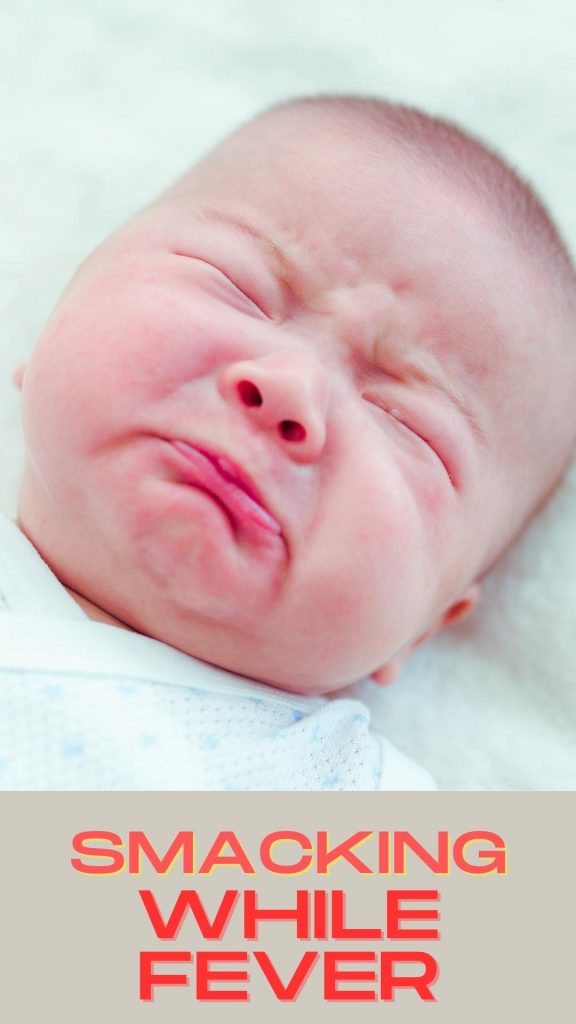
While lip-smacking is usually benign, it’s essential to be aware of certain signs that may signal an underlying medical condition. If your baby exhibits any of the following alongside lip-smacking, it’s advisable to seek medical advice promptly:
- Fever: If your baby has an elevated body temperature, it could be a sign of infection or illness.
- Difficulty Breathing: If your baby experiences trouble breathing or shows signs of respiratory distress, it’s crucial to seek immediate medical attention.
- Excessive Crying or Irritability: Unexplained and persistent crying or irritability may indicate discomfort or pain.
- Changes in Eating Patterns: Drastic changes in your baby’s appetite or difficulty feeding could be a cause for concern.
Persistent Lip-Smacking
While lip-smacking is common among babies, if it becomes persistent and doesn’t seem to be related to teething, hunger, or self-soothing, it might raise a red flag. Persistent lip-smacking could be a sign of an underlying issue that requires evaluation by a healthcare professional. In such cases, it’s best to consult a pediatrician who can thoroughly examine your baby and provide appropriate guidance.
Note: It’s crucial to remember that each baby is unique, and the presence of one or more of these signs does not necessarily indicate a severe medical condition. However, as a proactive parent, it’s essential to stay vigilant and seek professional advice when in doubt.
FAQs
- What if my baby smacks their lips occasionally without any other concerning symptoms? Occasional lip-smacking without other concerning symptoms is usually normal and nothing to worry about. However, if you notice any changes or the behavior becomes persistent, it’s best to consult a doctor.
- Is lip-smacking during sleep a sign of respiratory problems? While lip-smacking itself might not be directly linked to respiratory problems, it can be a secondary symptom if your baby is experiencing difficulty breathing.
- Can allergies cause lip-smacking in babies? Allergies might cause certain symptoms in babies, but lip-smacking alone is unlikely to be solely attributed to allergies.
Section 4: Tips for Reducing or Stopping Baby Lip Smacking
Provide a Pacifier or Teething Toy
To be continued in Section 4…
How to Reduce or Stop Your Baby’s Lip-Smacking
Tips for Reducing or Stopping Baby Lip Smacking
While lip-smacking is typically harmless and a part of normal baby development, as a caring parent, you might be interested in ways to reduce or stop this behavior. In this section, we will explore some practical and effective tips and tricks to help you support your baby in finding comfort during sleep without excessive lip-smacking.
Provide a Pacifier or Teething Toy
One of the simplest and most effective ways to address lip-smacking is by offering your baby a pacifier or a teething toy. The natural sucking reflex can be soothing for babies and may reduce their tendency to smack their lips as they focus on the pacifier or toy instead. Pacifiers come in various shapes and sizes, so it might be helpful to experiment with different options to find the one that works best for your baby.
Change Their Sleeping Position
Changing your baby’s sleeping position can also make a difference in reducing lip-smacking. Babies sleeping on their back are less likely to smack their lips compared to those sleeping on their stomach or side. The supine position is considered the safest for sleep, reducing the risk of Sudden Infant Death Syndrome (SIDS) and promoting better breathing during slumber. By ensuring your baby sleeps on their back, you not only minimize lip-smacking but also prioritize their safety.
Create a Calm and Relaxing Bedtime Routine
A peaceful and calming bedtime routine can significantly contribute to reducing your baby’s stress levels and promoting better sleep. Establishing a consistent routine before bedtime, such as dimming the lights, gentle rocking, or reading a soothing story, can help your baby unwind and transition smoothly into sleep. When your little one is relaxed, they are less likely to engage in lip-smacking or other anxious behaviors.
FAQs
- When should I introduce a pacifier to my baby? It’s generally safe to introduce a pacifier after breastfeeding is well-established, usually around one month of age. However, every baby is different, so consulting with your pediatrician is advisable.
- What if my baby doesn’t like pacifiers or teething toys? Not all babies take to pacifiers or teething toys immediately. Be patient and try different options. If they still don’t show interest, other techniques may be more suitable for soothing.
- Can swaddling help reduce lip-smacking? Swaddling can be a comforting technique for some babies, and it might indirectly reduce lip-smacking by promoting better sleep.
Section 5: Conclusion
Summary of the Main Points
In this comprehensive guide, we’ve explored the fascinating world of baby lip-smacking during sleep. We’ve learned that lip-smacking is generally a normal behavior, often related to teething, hunger, or self-soothing. However, it’s essential to be aware of signs that might indicate an underlying medical condition and to seek medical advice when necessary.
Encouraging Parental Engagement
As parents, understanding our babies’ behaviors and needs is a never-ending journey. By providing a pacifier or teething toy, adjusting their sleeping position, and creating a calm bedtime routine, we can support our little ones in finding comfort and rest during sleep.
Let’s continue to nurture our babies with love and attention, always ready to learn and adapt to their unique personalities and developmental milestones.
Call to Action Share your experiences and insights with other parents! We’d love to hear from you. Leave a comment below with your tips for reducing or stopping baby lip-smacking, and don’t forget to share this article with other parents who might find it helpful.
Frequently Asked Questions (FAQs)
General FAQs
- What causes lip smacking in sleep?
It can result from normal reflexes, hunger, teething, or medical conditions. - Why do babies smack their lips while sleeping?
This is often due to hunger, self-soothing, or teething. - Is lip smacking in babies normal?
Yes, lip smacking in newborns and infants is typically a normal developmental behavior. - Can lip smacking be a sign of autism?
While baby smacking lips autism is occasionally discussed, this behavior alone is not a definitive indicator of autism. - How to stop lip smacking in sleep?
Identify the underlying cause, such as hunger or stress, and address it appropriately.
For Infants and Babies
- What does it mean when a baby smacks lips?
It could mean they are hungry, teething, or self-soothing. - Why does my baby smack lips but not seem hungry?
This may indicate teething or a soothing habit rather than hunger. - Can teething cause lip smacking?
Yes, teething is a common reason for infant smacking lips. - When should I worry about lip smacking in newborns?
If paired with other unusual symptoms like seizures, consult a doctor.
For Adults
- Why do I smack my lips when I sleep?
It could be due to dry mouth, stress, or a sleep disorder like bruxism. - Can lip smacking indicate a health issue?
Rarely, persistent lip smacking symptoms may signal neurological conditions. - How to reduce lip smacking at night?
Stay hydrated, manage stress, and practice good oral hygiene.
About Lip Smacking and Related Concerns
- What juice helps with hydration for dry mouth?
Cucumber or aloe vera juice is hydrating and can alleviate dryness. - What is lip smacking in babies?
A repetitive movement of lips often associated with reflexes, feeding, or teething. - Can dehydration cause lip smacking?
Yes, dehydration is a frequent cause in adults and older children.
Additional Tips for Managing Lip Smacking
- Monitor Patterns: Note when lip smacking occurs (e.g., during sleep, after feeding) to identify potential triggers.
- Use Pacifiers: Pacifiers can help soothe newborns smacking lips while sleeping.
- Promote Relaxation: Stress reduction can minimize smacking lips at night in adults.
Conclusion: Understanding and Nurturing Your Baby’s Lip-Smacking
Section 5: Conclusion
As we reach the end of this journey through the world of baby lip-smacking during sleep, we’ve gained valuable insights into the reasons behind this endearing behavior and the ways to support our little ones during this crucial stage of development. Let’s recap the key points from each section:
Section 1: Introduction
In the introduction, we explored the question, “Why is your baby smacking their lips while sleeping?” We discussed the various factors that might contribute to this behavior, including teething, hunger, and self-soothing. Understanding these reasons helps us foster a deeper connection with our babies and respond to their needs more effectively.
Section 2: Causes of Baby Lip Smacking While Sleeping
In this section, we delved deeper into the three main causes of lip-smacking: teething, hunger, and self-soothing. Learning about these factors empowers us to provide the right support and care during this phase of our baby’s development.
Section 3: When to See a Doctor
Recognizing the signs that indicate a possible underlying medical condition is crucial for the well-being of our babies. Knowing when to seek medical advice ensures that we address any potential health issues promptly and ensure our baby’s health is in good hands.
Section 4: Tips for Reducing or Stopping Baby Lip Smacking
This section provided practical tips for reducing or stopping lip-smacking, such as providing pacifiers or teething toys, adjusting their sleeping position, and creating a calm bedtime routine. These strategies can make a significant difference in promoting better sleep and comfort for our little ones.
Section 5: Conclusion
Our journey through the different aspects of baby lip-smacking has given us a comprehensive understanding of this adorable behavior. From normal developmental milestones to potential health concerns, we’ve explored the diverse factors contributing to lip-smacking. Armed with this knowledge, we can confidently support and nurture our babies, providing them with the love, care, and attention they deserve.

We invite you to share this valuable information with other parents who might benefit from understanding their baby’s lip-smacking. Together, we can create a supportive community where knowledge and experiences are shared, fostering stronger bonds with our little ones.
Thank you for joining us on this insightful journey. We look forward to exploring more fascinating topics with you in the future.